

1. A Region Few Expected to Lead
When people talk about artificial intelligence, they usually mention buzzing innovation hubs – Berlin, Munich, or Silicon Valley. Hardly anyone points to the quiet landscapes of Emsland, a district in northwest Germany best known for agriculture, energy plants, and shipyards.
Yet, Emsland has started to challenge the cliché that technological progress only belongs in big cities. While skyscrapers and startups dominate the headlines, this rural area is quietly becoming a test ground for artificial intelligence – in farms, factories, logistics depots, and even local administrations.
2. Why Emsland? The Hidden Strengths
At first glance, Emsland might not look like a digital hotspot. But several underlying strengths explain why AI adoption here is not only possible but practical:
- Robust industries – Farming, mechanical engineering, logistics, and energy need precision and efficiency.
- Small and medium-sized enterprises (SMEs) – Flexible enough to test new ideas but pragmatic in execution.
- Cross-sector collaboration – Networks link universities, companies, and governments.
This mix creates an ecosystem where experiments quickly turn into tangible results.
3. The Economic Tapestry of the Region
The Emsland economy is woven from different threads:
- Agriculture is under pressure from global markets and climate change.
- Manufacturing & industry, including heavy machinery, chemical plants, and shipbuilding.
- Logistics is built on transport corridors and distribution hubs.
- Public services are increasingly being pushed to modernise digital processes.
Artificial intelligence acts as a bridge across these domains, offering one unifying tool: data-driven decision-making.
4. Applications of AI: Real Stories, Not Just Concepts
Farming Gets a Digital Makeover
Instead of relying on intuition alone, Emsland’s farmers now use drones and sensors to monitor fields, forecast harvests, and measure soil health. Smart irrigation systems adjust water usage automatically, while robotic harvesters reduce waste and costs.
Factories with Predictive Eyes
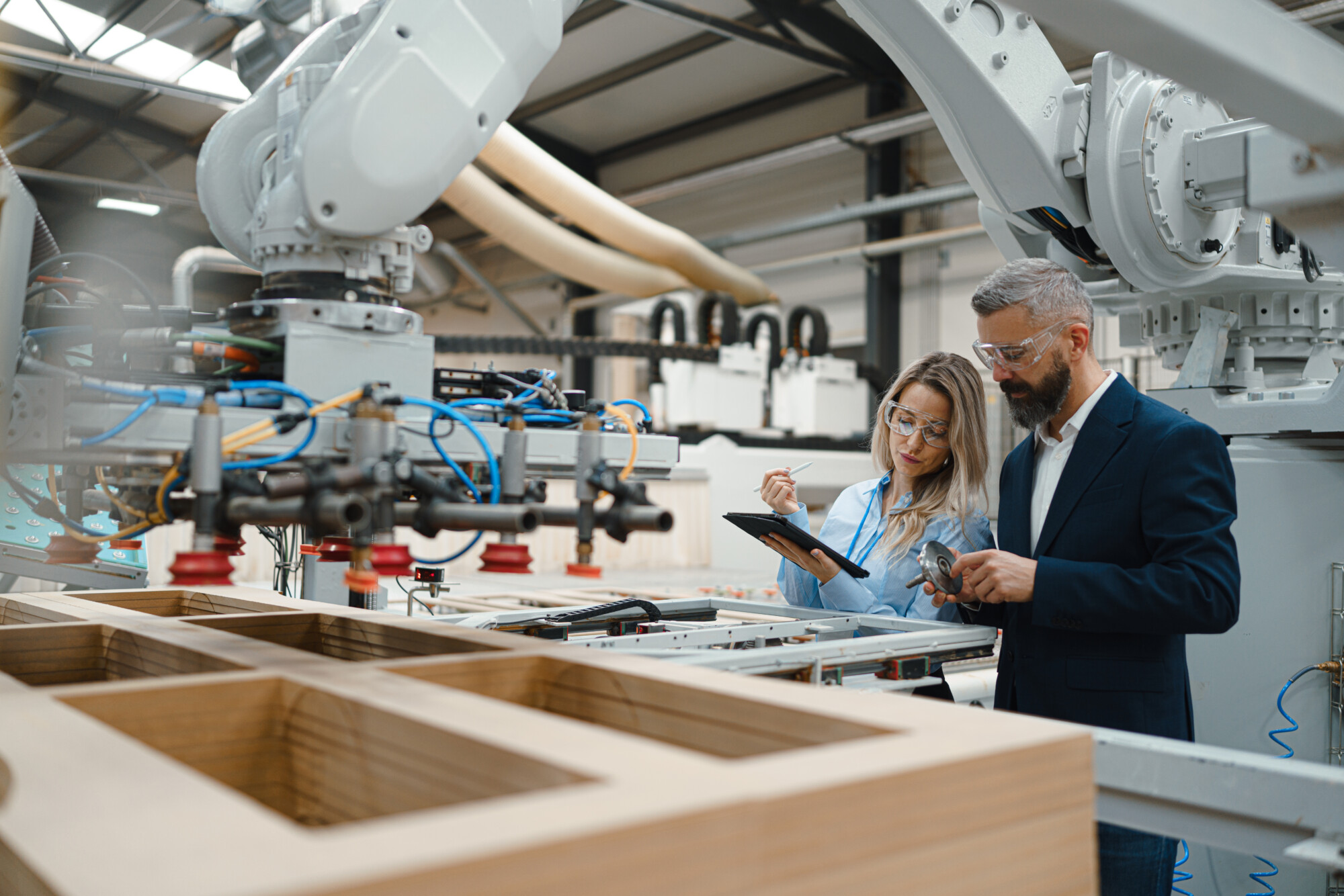
Local manufacturers employ predictive maintenance to fix machines before they fail. Digital twins simulate production scenarios. Cameras detect defects invisible to the human eye. Collaborative robots support workers on the factory floor.
Smarter Logistics Chains
In a region central to transport networks, logistics companies rely on AI for:
- Route optimization
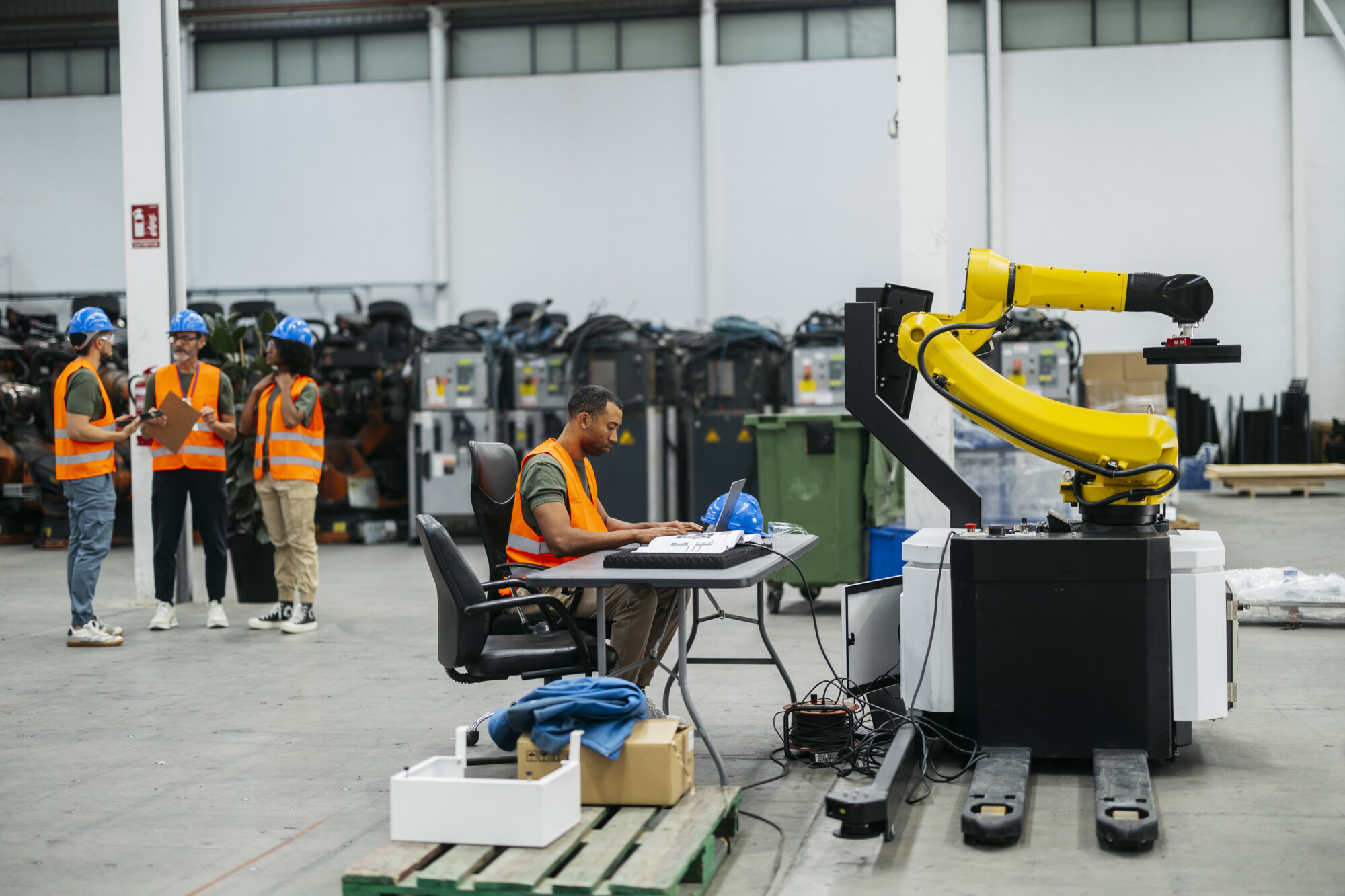
- Autonomous vehicles in warehouses
- Dynamic storage planning
- Risk modelling for supply chain disruptions
Governments Going Digital
Municipalities deploy chatbots for public inquiries, sensors to detect infrastructure issues, and data-driven traffic planning to ease congestion and cut emissions.
5. Networks as the Engine of Change
Emsland’s transformation isn’t the story of a single company. The Digital Innovation Hub Emsland plays a central role by organising hackathons, pilot projects, and workshops. Its mission: connect SMEs, students, and corporations to develop practical solutions together.
6. Startups as Fresh Energy
While established players form the backbone of the economy, startups provide agility. Young companies in the region are building AI-driven apps for farming, logistics, and industrial analysis.
The IT-Centre Lingen acts as their incubator, offering mentoring, funding advice, and co-working labs.
7. The Obstacles Along the Way
Transformation is not without hurdles. SMEs often struggle with:
- Tight budgets to invest in advanced tech
- Talent shortages in AI development
- Lack of structured data for effective use
- Cultural resistance to new processes
These frictions explain why progress sometimes feels slower than the hype around AI suggests.
8. Tools to Help SMEs Succeed
To balance these challenges, support systems are in place:
Funding Programs
- INDUSTR_I4.0 offers up to €50,000 for projects.
- Mittelstand-Digital provides nationwide free-of-charge resources.
- Regional advisory offices in Lingen and Meppen guide application processes.
Knowledge & Networks
Through workshops, networking events, and conferences, local businesses gain access to experts and case studies.
Education & Skills
Universities and training centres in the area focus on digital transformation. Pilot projects show SMEs what AI can achieve before they commit resources.
9. Looking Forward: A Rural Testbed for Global Ideas
The outlook is clear:
- Automation will reduce skill shortages.
- Public administration will speed up and simplify services.
- Sustainability will benefit from smarter resource allocation.
- Competitiveness will rise as AI-driven businesses scale faster.
- Talent attraction will improve as the region builds its digital reputation.
Instead of replacing humans, AI frees them from repetitive work and opens space for creativity and strategy.
10. Linvelo’s Role in the Transformation
Among the actors shaping this journey is Linvelo, a tech company rooted in the Emsland.
With more than a decade of experience, a team of 70+ specialists, and projects ranging from consulting to app development, Linvelo embodies what the regional shift looks like in practice. Its guiding principle is simple: technology should make life easier, not harder.
“Our mission is to turn technology into real-world benefits for businesses. Efficiency, sustainability, and usability are the benchmarks we aim for.”
— Oleksandr Kotsyuba, CEO Linvelo
11. The Broader Lesson
Emsland’s story proves that innovation is not geography-bound. By uniting farmers, engineers, startups, and policymakers, a rural district has become a living laboratory for artificial intelligence.
It is less about size and more about mindset: embracing experimentation, building networks, and applying AI pragmatically.
Frequently Asked Questions
Why does AI matter for a rural region like Emsland?
Because it strengthens industries facing global competition and helps modernise everyday processes.
Which sectors are leading AI adoption here?
Agriculture, industry, logistics, and government.
What are the biggest challenges for SMEs?
Limited resources, shortage of skilled staff, insufficient data, and resistance to change.
How are these barriers being addressed?
Through public funding, regional innovation hubs, training programs, and pilot projects.
What advantages will AI bring in the long run?
Higher efficiency, reduced waste, stronger competitiveness, and improved quality of life.