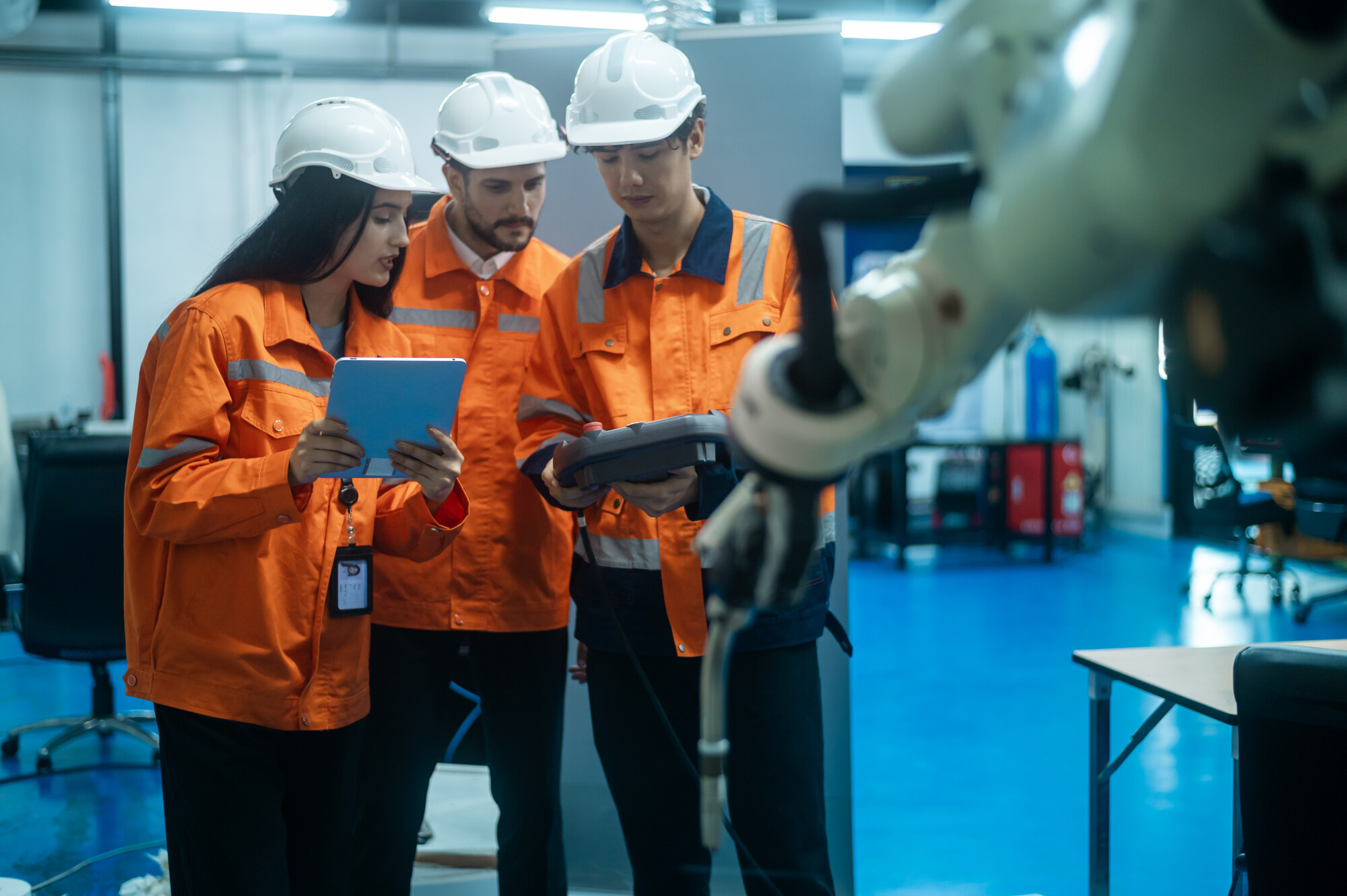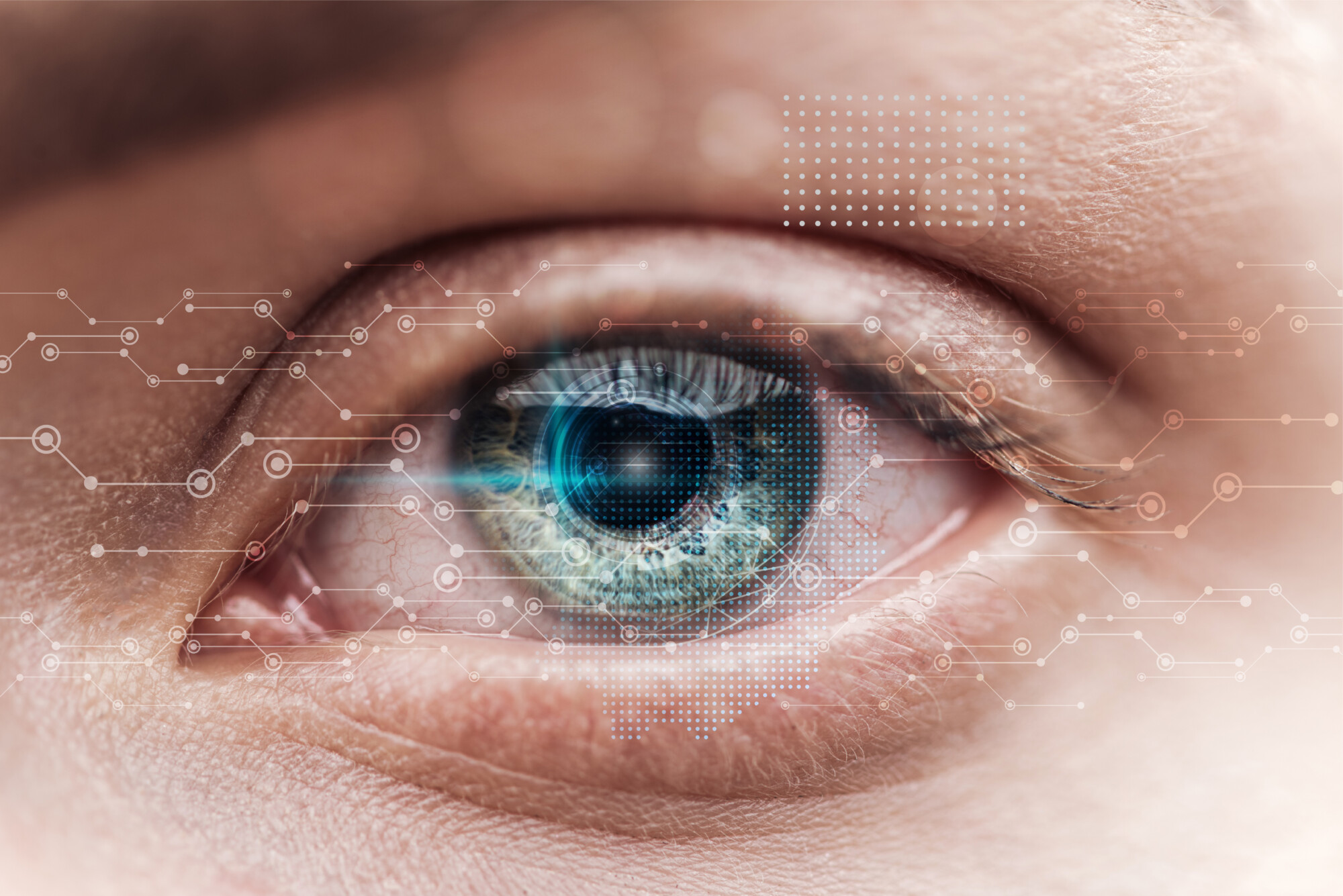


Artificial Intelligence (AI) and computer vision are reshaping today’s industries, bringing automation, smarter quality assurance, and predictive insights to the forefront. Acting as cornerstones of the fourth industrial revolution, they empower sectors such as manufacturing, healthcare, agriculture, and logistics to achieve higher efficiency and more inventive solutions.
Understanding Computer Vision in Industry 4.0
Computer vision gives machines the ability to interpret and act on visual input, much like the human eye and brain. As part of Industry 4.0, where automation and data-driven systems redefine production and service delivery, computer vision stands as one of the most transformative forces.
It allows systems to:
- Detect and identify objects with precision, ensuring errors and anomalies are spotted early.
- Analyse visual streams in real time, turning images and video into actionable intelligence.
By weaving these capabilities into operations, businesses not only increase efficiency but also enhance workplace safety and reliability.
Key Applications of Computer Vision
1. Object Detection and Recognition
Object recognition enables machines to classify and process items automatically, dramatically reducing the need for manual checks.
- Manufacturing: Vision systems catch defects with pinpoint accuracy, cutting waste and safeguarding quality standards. For example, FOXCONN’s NxVAE system identifies over a dozen fault types on products.
- Healthcare: Diagnostic imaging powered by AI can detect abnormalities such as malignant cells, often more reliably than human clinicians, leading to better outcomes for patients.
2. Video Surveillance and Security
From traffic control to workplace safety, computer vision is elevating security through real-time monitoring.
- Traffic management: Systems detect congestion or traffic violations instantly, improving flow and safety.
- Smart security: Facial recognition and motion tracking strengthen access control and surveillance in high-risk settings.
This shift allows for proactive responses to threats and optimised safety infrastructure.
Sector-Specific Innovations
- Agriculture: Drone-mounted cameras track crop health, identifying disease or pests before they spread. Computer vision even predicts optimal harvest times, reducing waste and increasing profitability.
- Electronics: Automated vision inspections detect flaws in circuit boards or micro-components. Predictive maintenance tools analyse wear-and-tear before failures occur, avoiding costly downtime.
- Automotive & Logistics: Autonomous vehicles rely on vision to navigate complex roads and anticipate pedestrian movements. In warehouses, robots equipped with vision technology handle inventory management and order fulfilment with high precision.

Enabling Tools and Technologies
Behind these applications lie powerful enablers:
- AI and machine learning, which process visual input to support real-time decision-making.
- OpenCV and specialist libraries, simplifying the development of image recognition and analysis solutions.
Together, these tools provide industries with adaptable, cost-efficient ways to adopt computer vision at scale.
Advanced Vision Systems in Practice
Modern artificial vision systems are highly customised to suit sector-specific needs.
- Manufacturing: AI-driven predictive maintenance spots equipment deterioration before it escalates, sustaining continuous production.
- Healthcare: Vision-based diagnostic platforms deliver faster, more precise analysis of MRIs, CT scans, and X-rays, improving patient safety and treatment.
Looking Ahead: The Future of Computer Vision
Progress in AI and deep learning continues to push boundaries. Future capabilities include:
- Healthcare: Algorithms identifying tumours at earlier stages, improving survival rates.
- Automotive: Cars predicting pedestrian behaviour, making urban driving safer.
- Edge computing: Data processed locally enables near-instant decision-making, vital for both real-time surgery and defect detection in manufacturing.
- Augmented reality (AR): Surgeons could overlay patient data during operations; shoppers may try on clothes virtually.
Ethical and Societal Considerations
Despite its promise, computer vision brings ethical dilemmas.
- Privacy risks: Facial recognition fuels debates on surveillance and data ownership.
- Algorithmic bias: Poorly trained systems risk reinforcing inequalities, especially in policing.
Equally, automation will shift labour markets — some roles may diminish, but demand for AI specialists, data scientists, and robotics engineers will surge. Addressing training gaps and ethical oversight will be critical.
Conclusion
AI and computer vision are no longer futuristic promises — they are embedded in our daily industries. They automate quality checks, guide autonomous vehicles, and even support medical diagnosis. Their future lies in faster, more context-aware, and ethically governed systems that will redefine how we live, work, and interact with technology.
Frequently Asked Questions (FAQ)
What does AI contribute to computer vision?
AI processes and interprets visual data, enabling machines to automate tasks and make decisions efficiently.
How is computer vision applied in sectors like healthcare and manufacturing?
It automates quality checks, predicts equipment failures, enhances diagnostic imaging, and identifies diseases such as cancer.
What are the obstacles to adoption?
Data quality, integration with existing systems, and ethical challenges such as surveillance concerns and algorithmic bias.
What trends shape the future of this technology?
Edge computing, augmented reality, and generative AI are at the forefront, offering more immersive and responsive applications.