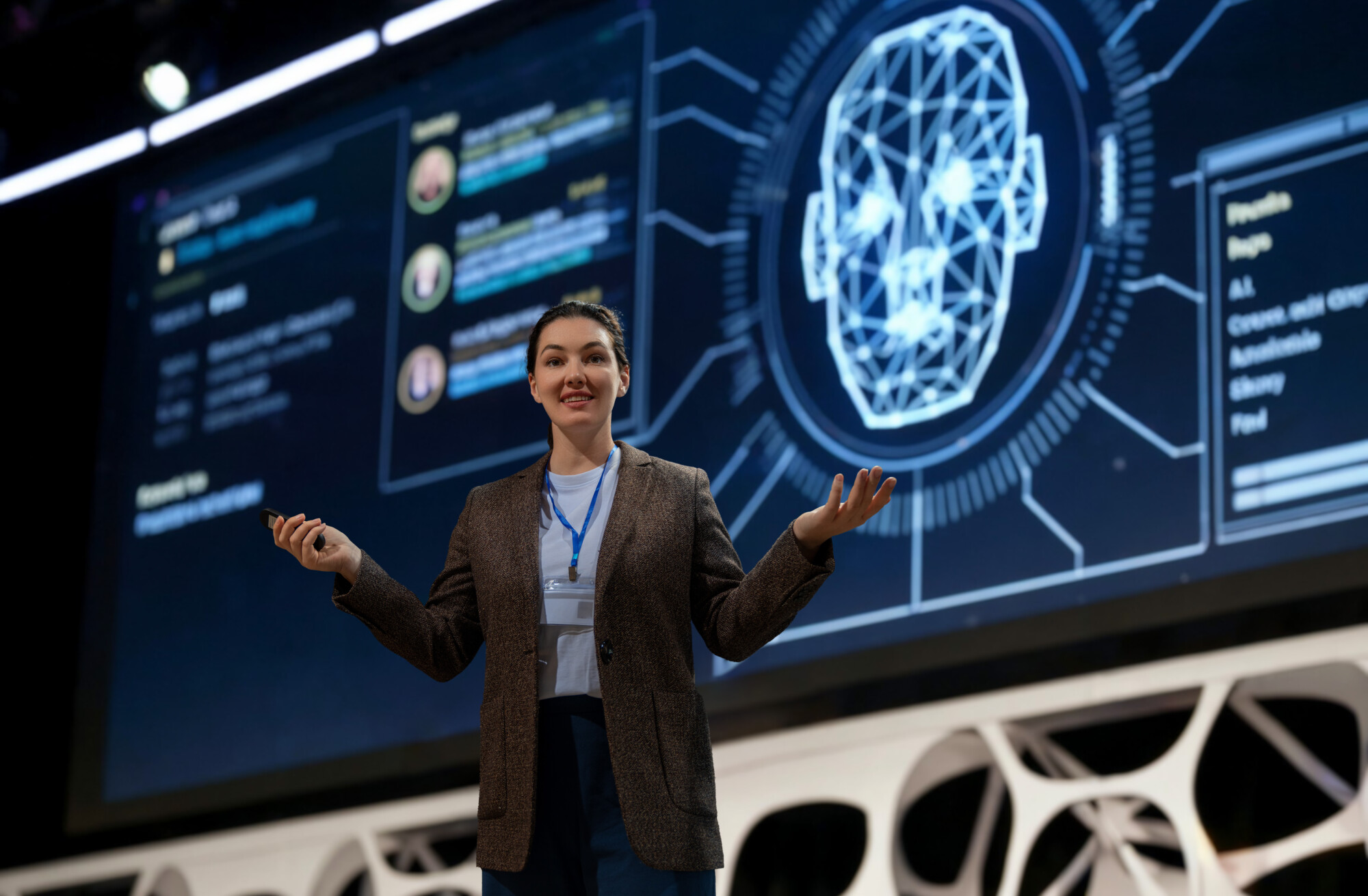

The accelerating integration of artificial intelligence (AI) and automation into workplaces is transforming the global employment landscape. The question is no longer if these technologies will affect jobs, but how profoundly they will reshape the labour market.
This discussion examines the growing displacement risk, the industries most exposed, the broader socio-economic implications, and the strategies needed to adapt.
How AI Automation is Reshaping the Workplace
AI has moved far beyond being a futuristic concept. Today, it fuels innovation, streamlines processes, and allows companies to remain competitive on a global stage. By replacing repetitive functions and assisting with complex decision-making, AI is becoming an essential driver of productivity and economic growth.
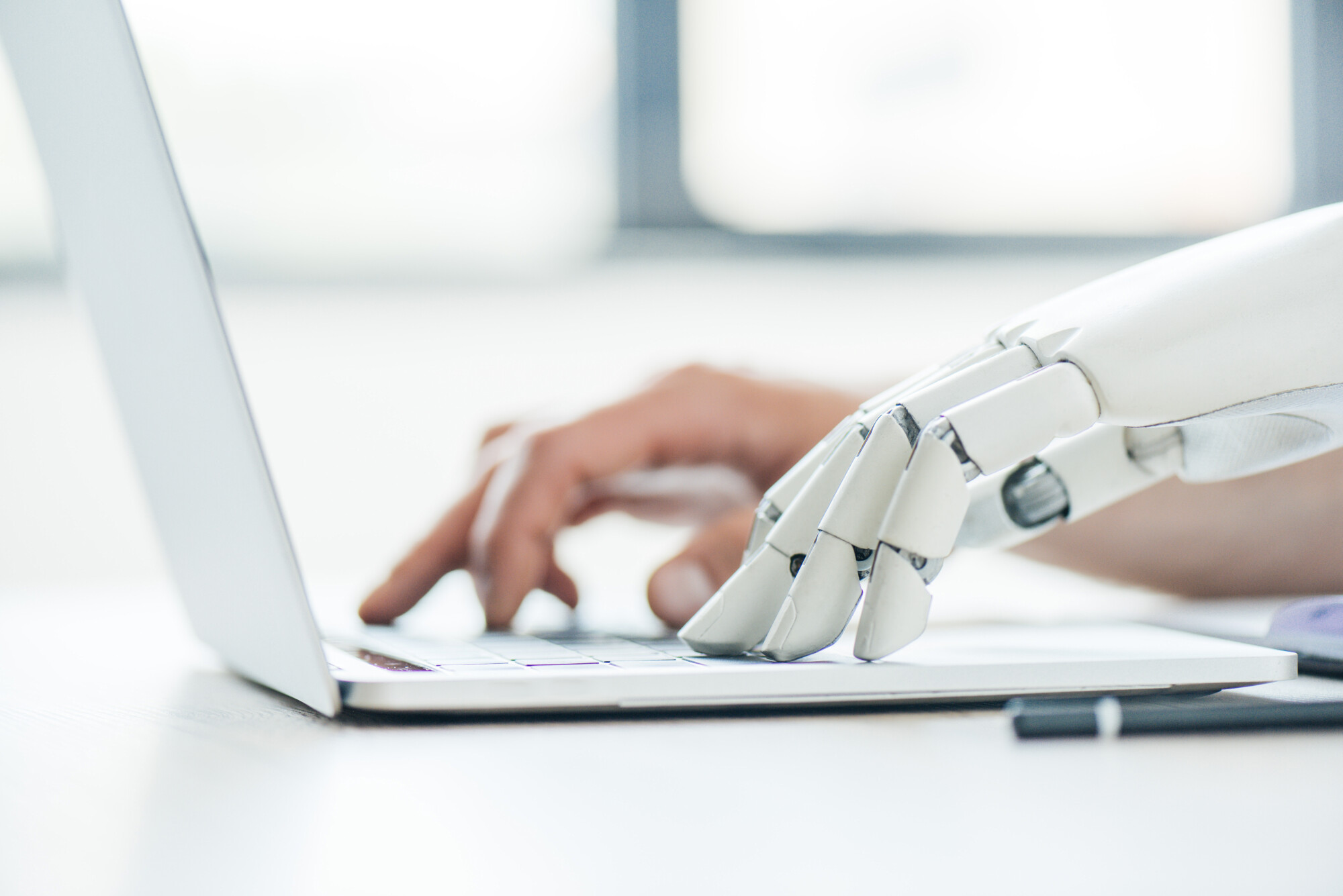
Breakthroughs in computational power and AI algorithms are enabling automation at a level that was once solely the domain of human workers. Machine learning, robotics, and natural language processing are no longer support tools – they are active collaborators in everyday business operations. Yet, with these gains comes a reality: workers must evolve their skills or risk redundancy.
Core Technologies Behind the Shift
Machine Learning
Machine learning systems are now capable of extracting insights from enormous data sets, automating both routine and complex decisions. Advanced models like deep neural networks are finding applications in industries that once relied exclusively on human expertise.
Robotics
Robots are no longer confined to industrial assembly lines. Cobots operate side-by-side with humans, while predictive maintenance systems prevent costly breakdowns, automated quality control detects defects instantly, and mobile robots manage materials and stock levels.
Natural Language Processing (NLP)
By teaching machines to understand and produce human language, NLP has opened new possibilities in customer service, marketing, and content creation. It reduces the need for manual interaction in processes like customer support while improving the personalisation of communication.
The Vulnerability of Traditional Roles
Roles involving repetitive, structured tasks are the most at risk. Current data shows AI adoption is most pronounced in manufacturing and information services (around 12% of firms) compared to just 4% in sectors like retail and construction.
- Manufacturing: AI enhances efficiency through cobots, real-time equipment monitoring, computer vision-based quality checks, and autonomous material handling – creating demand for technically skilled workers.
- Retail: Personalised recommendations, targeted marketing, AR try-ons, and optimised supply chains are now commonplace.
- Transport: Autonomous vehicles and drones could sharply reduce the need for drivers, and potentially pilots and service agents.
- Healthcare & Finance: AI boosts diagnostic accuracy, tailors treatment plans, evaluates risk, and automates support services.

The Skills Gap and Need for Reskilling
Automation has intensified the mismatch between what employers require and what jobseekers can provide. Routine jobs are disappearing, placing pressure on mid-career and lower-skilled employees.
Reskilling is essential. Employers and governments must promote both technical abilities – such as programming, systems maintenance, and quality control – and human strengths like creativity and critical thinking that AI struggles to emulate.
Social and Economic Fallout
The benefits of AI will not be evenly distributed. Those equipped to use AI could see higher wages and better opportunities, while others risk exclusion. Consequences may include:
- Reduced demand for human labour in some sectors.
- Downward wage pressure.
- Financial instability for displaced workers.
- Difficulty finding new employment or retraining.
Wealthier nations may absorb these changes more smoothly, while developing economies could fall behind in both adoption and benefits.
Policy and Corporate Responses
Governments are exploring interventions like the U.S. Trade Adjustment Assistance programme, which offers retraining and financial support. New legislation aims to extend such aid to workers displaced by automation specifically.
Businesses, meanwhile, are encouraged to:
- Invest in their workforce’s adaptability.
- Build a culture of lifelong learning.
- Identify and develop roles emerging from AI adoption.
Ethics, Health, and Wellbeing
Automation raises ethical questions that go beyond economics. Job loss can bring psychological strain, poorer health outcomes, and reduced quality of life. Responsible AI use must prioritise improving human welfare rather than simply cutting costs.
Preparing for the AI-Driven Labour Market
AI and automation will continue to expand their influence. Success will depend on our ability to integrate these tools while safeguarding opportunity and fairness. Lifelong learning is the most powerful defence – equipping people to work alongside advanced systems, take on tasks AI cannot yet master, and maintain relevance in an evolving job market.
FAQs
How is AI automation changing the job market?
It replaces tasks traditionally handled by humans, altering skill requirements, affecting wages, and potentially reducing available roles.
Which sectors face the greatest risk?
Manufacturing, retail, and transportation – due to their reliance on repetitive, rule-based work.
How are governments responding?
By funding retraining programmes, offering transition support, and incentivising workforce adaptation.